Industrial wood firing and biomass2026-10-15T12:01:11+02:00

Industrial wood firing – sustainable heat, clean air

Holzpellets und Holzstämme als Brennstoff für Biomassefeuerungen

What characterises a modern wood-fired plant?

Industrial wood-fired plants and biomass power plants convert renewable raw materials into CO₂-neutral energy. However, the combustion of solid biomass inevitably produces exhaust gases.

To protect the environment and health, highly efficient exhaust gas treatment is required that goes well beyond conventional dust filters. Our catalysts take over where filters leave off.

Challenge: emissions from biomass combustion

In addition to fine dust, the combustion of wood and biomass also produces hazardous gaseous pollutants. These include:

  • Carbon monoxide (CO)
  • Nitrogen oxides (NOₓ)
  • Volatile organic compounds (VOCs)
  • Unburnt hydrocarbons

Incomplete combustion processes and fluctuating fuel quality in particular lead to emission peaks. These are subject to strict statutory regulations (such as the 1st and 44th BImSchV).
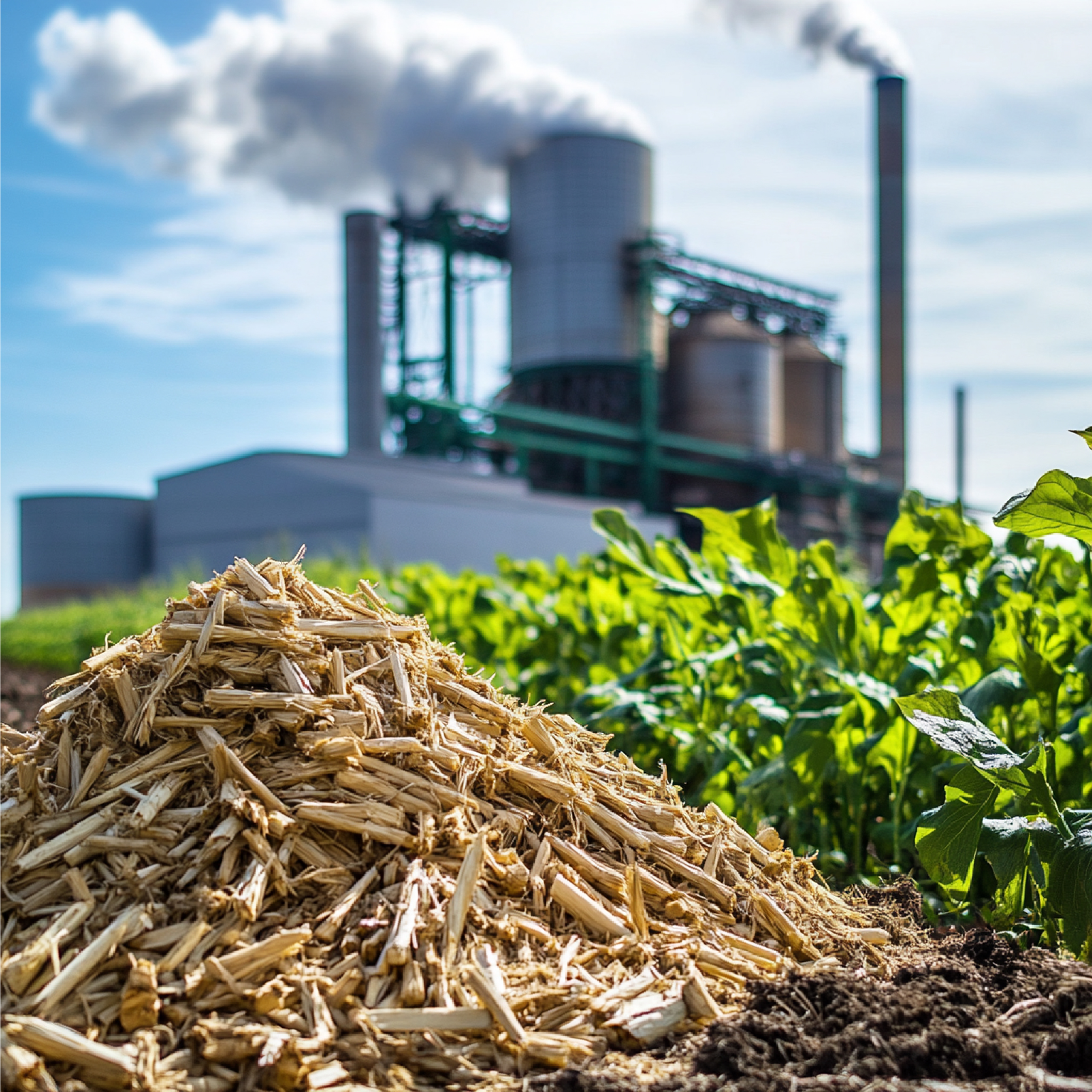
Holzhackschnitzel vor einem Biomasse-Kraftwerk

The role of catalysts with solid fuels

Dedicated oxidation and SCR catalysts in the exhaust gas stream ensure the chemical reduction of hazardous pollutants:

VOCs → CO₂ + H₂O
CO → CO₂
NOₓ → N₂ + H₂O

Your benefits

Compliance with the BImSchV

Modern emission regulations require reliable emission reduction in continuous operation.

Improved environmental performance

The significant reduction of pollutants protects the local microclimate.

High plant availability

Robust catalysts withstand the typical contaminants from wood combustion.

Funding and acceptance

Helps secure the continued operation of the site and often qualifies for public funding.

Background knowledge

Frequently asked questions

Answers on technology, legislation and processes.

Which pollutants from wood and biomass combustion can be reduced catalytically?2026-10-15T13:08:53+02:00

Burning wood, wood chips, pellets or residues produces dust and, above all, nitrogen oxides (NOx), carbon monoxide (CO) and unburnt organic compounds. Nitrogen oxides can be reduced with an SCR catalyst and a reducing agent, while CO and organic components are treated with an oxidation catalyst. Dust itself is not removed catalytically but separated by cyclones, fabric filters or electrostatic precipitators. Which combination makes sense depends on the fuel, the combustion technology, the load profile and the requirements in your permit. The temperature window and dust removal are often the deciding factors in the design, because the catalyst must be located at a point in the flue gas path where the temperature is suitable and the dust load is manageable. If you send us the fuel type, the thermal output and a recent emission measurement report, we will assess which catalyst technology is suitable for your plant.

How is a catalyst protected against dust-laden flue gas from wood firing?2026-10-15T13:08:53+02:00

Flue gas from wood and biomass combustion contains fly ash that can block channels and cover active surfaces. Wood ash also contains alkali metals such as potassium, which gradually deactivate SCR catalysts. The most important protection is effective dust removal upstream of the catalyst. In addition, catalysts with a larger cell pitch or plate-type elements are used, as they are less prone to clogging, and cleaning devices such as soot blowers or compressed air pulses are installed. The position in the flue gas path also matters: placing the catalyst downstream of the dust filter relieves it but may require the flue gas to be reheated. During operation, a rising differential pressure is an early sign that deposits are forming. In many cases, fouled elements can be cleaned or regenerated before replacement becomes necessary. Send us details of the fuel, the filter technology and the flue gas temperatures, and we will assess which protective measures make sense for your plant.

Can an existing biomass heating plant be retrofitted with SCR technology?2026-10-15T13:08:53+02:00

In many cases, yes. Whether and how a retrofit is possible depends mainly on three factors: the space available in the flue gas path, the temperature at the intended installation point and the dust load. If the temperature downstream of the dust filter is too low, a heat exchanger or auxiliary heating may be required. A storage and dosing system for the reducing agent, usually urea solution, is also needed, together with a control system that adjusts the dosing rate to the load. In heating plants with strongly fluctuating heat demand, this load behaviour is a central aspect of the design. Existing components such as filters, induced draught fan and stack are included in the planning and reused wherever possible. For an initial assessment, a layout drawing or photos of the flue gas path, details of the thermal output and fuel, and the latest emission measurement report are helpful. With these documents, we can check which retrofit option is technically appropriate for your plant.

About Pure Air GmbH

Experience in exhaust gas treatment

Pure Air GmbH is built on many years of experience in catalytic exhaust gas treatment. Since 2025 we have brought this know-how together in Bamberg: we design catalysts for your plant, supply them and support them in operation, from CHP units to industrial installations.

Response
within 24 hours

Also for
third-party housings

Everything from
a single source

Engineer designing an exhaust gas treatment system on a CAD workstation

Contact us

Request a free quotation or get non-binding advice.

Pure Air GmbH
Am Börstig 12
96052 Bamberg

+49 (0) 951 96433250
+49 (0) 170 9630471

Request a free quotation

Go to Top