Chemical industry2026-10-15T12:01:11+02:00

Chemical industry – high process safety and reliable exhaust air treatment for demanding chemical processes
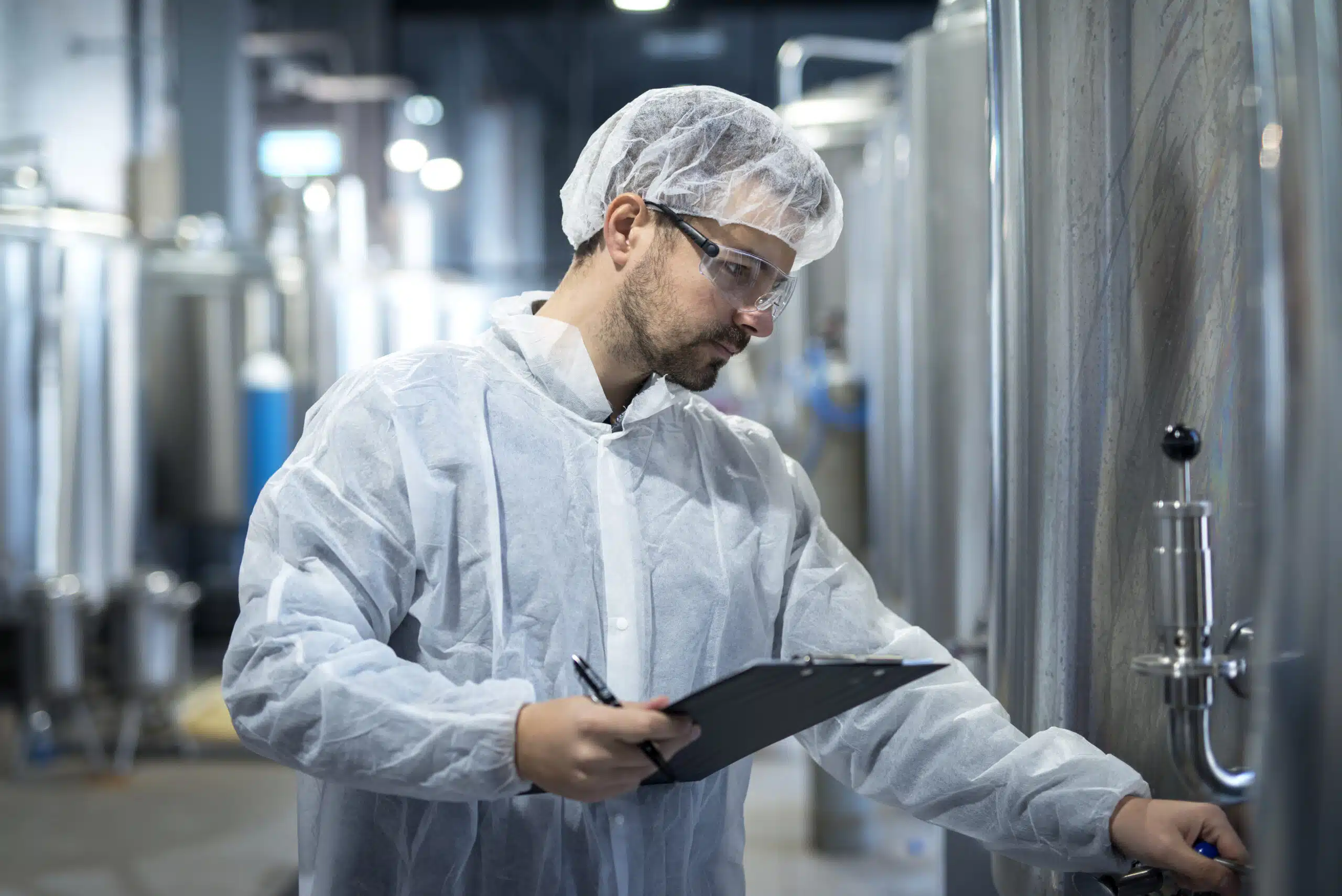
Techniker in Schutzkleidung kontrolliert eine Prozessanlage

What is
exhaust gas and exhaust air treatment in the chemical industry?

The chemical industry is one of the most innovative and, at the same time, most heavily regulated industries worldwide. Whether in basic chemicals, speciality chemicals or pharmaceuticals – synthesis, distillation, drying and mixing processes continuously or discontinuously generate complex exhaust air streams.

The aim of modern exhaust air treatment systems is to clean the resulting process off-gases with high efficiency, to control explosive mixtures safely and to comply permanently with strict statutory requirements (including the TA Luft) with high energy efficiency.

Challenge: complex pollutant mixtures and fluctuating concentrations

Chemical production plants emit diverse and in some cases highly reactive pollutants that place particular demands on engineering:
  • Volatile organic compounds (VOCs) such as alcohols, esters, aldehydes, aromatics and chlorinated/halogenated hydrocarbons
  • Carbon monoxide (CO) and unburnt hydrocarbons
  • Odour-intensive substances and toxic process by-products
  • Strongly fluctuating concentration peaks in batch operations
  • Aggressive, acidic or dust-laden exhaust air streams
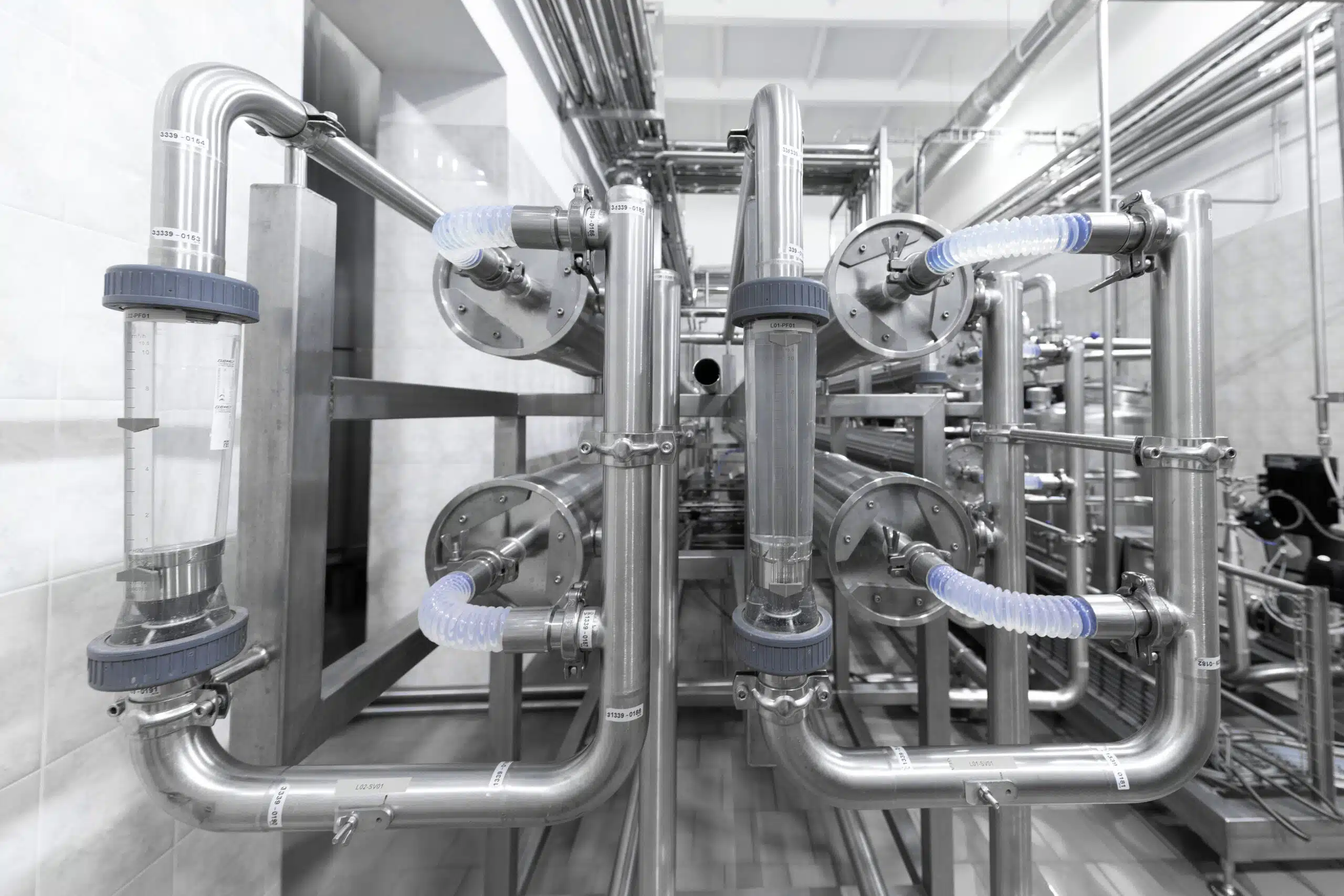
Rohrleitungen und Ventile einer Prozessanlage in der chemischen Industrie

The role of catalysts in the chemical industry

Tailored catalytic exhaust gas treatment systems are used to treat the heterogeneous and thermally sensitive pollutant streams of the chemical industry safely.

Catalysts enable oxidative decomposition and pollutant conversion at moderate process temperatures (well below those of conventional thermal oxidisers):

Reaktionsgleichung: VOC und Sauerstoff reagieren am Katalysator zu CO2 und Wasser
Reaktionsgleichung: Kohlenmonoxid und Sauerstoff reagieren am Katalysator zu CO2

This means:

High destruction rates, minimised primary energy input and high operational safety in both continuous and discontinuous processes.

Your benefits with Pure Air

High removal efficiency

Reliable compliance with even extremely low limits under the TA Luft – even with fluctuating pollutant loads.

Significant energy and cost savings

Significantly lower operating temperatures substantially reduce fuel demand and operating costs.

Flexible system integration

Compact designs and modular catalyst elements allow seamless integration into complex chemical parks.

Process and explosion safety

Designed to strict safety standards (e.g. ATEX) for toxic or flammable exhaust gas mixtures.

Background knowledge

Frequently asked questions

Answers on technology, legislation and processes.

How do catalytic systems respond to fluctuating batch processes?2026-10-15T13:08:53+02:00

With careful engineering and preheating sections, catalytic systems can respond flexibly to peak loads and load changes without loss of efficiency or thermal overload.

Can catalysts be deactivated by catalyst poisons in chemical exhaust air?2026-10-15T13:08:53+02:00

Yes, substances such as silicones, heavy metals, sulphur or halogen compounds can affect catalysts. Pure Air therefore carries out detailed gas analyses in advance and uses targeted pre-filters, guard beds or catalyst types with resistant doping.

What advantages do catalysts offer over regenerative thermal oxidisers (RTO)?2026-10-15T13:08:53+02:00

Catalytic processes operate at much lower temperatures (often 250 to 450 °C compared with more than 800 °C for an RTO). This saves a considerable amount of fuel, reduces the carbon footprint and requires less installation space.

What advantages do catalysts offer over scrubbers or biofilters alone?2026-10-15T13:08:53+02:00

Catalytic systems deliver consistent cleaning performance regardless of weather, microbial load or biological activity, and they require no water or sludge treatment.

Can halogen-containing exhaust air from the chemical industry be treated catalytically?2026-10-15T13:08:53+02:00

In principle, yes, but this type of exhaust air places special demands on the system. Chlorinated or fluorinated hydrocarbons can be oxidised on suitable catalysts. In addition to carbon dioxide and water, this produces acid gases such as hydrogen chloride or hydrogen fluoride. This has three consequences for planning. First, the catalyst type and support material must be resistant to halogens, as standard coatings can be deactivated by them. Second, materials for the housing and pipework must be selected to withstand the acidic reaction products, particularly where the temperature may fall below the dew point. Third, a scrubber is usually required downstream of the catalyst to remove the acid gases. It must also be checked whether undesirable by-products can form under the operating conditions. A reliable design therefore requires detailed knowledge of the exhaust air composition. Provide us with substance lists, concentration ranges and process descriptions so that we can assess whether a catalytic process is suitable.

About Pure Air GmbH

Experience in exhaust gas treatment

Pure Air GmbH is built on many years of experience in catalytic exhaust gas treatment. Since 2025 we have brought this know-how together in Bamberg: we design catalysts for your plant, supply them and support them in operation, from CHP units to industrial installations.

Response
within 24 hours

Also for
third-party housings

Everything from
a single source

Engineer designing an exhaust gas treatment system on a CAD workstation

Contact us

Request a free quotation or get non-binding advice.

Pure Air GmbH
Am Börstig 12
96052 Bamberg

+49 (0) 951 96433250
+49 (0) 170 9630471

Request a free quotation

Go to Top