Application: CHP plants (e.g., in biogas plants)2026-03-31T07:55:32+02:00

Combined Heat and Power Plants – Efficient Energy Generation and Clean Emissions
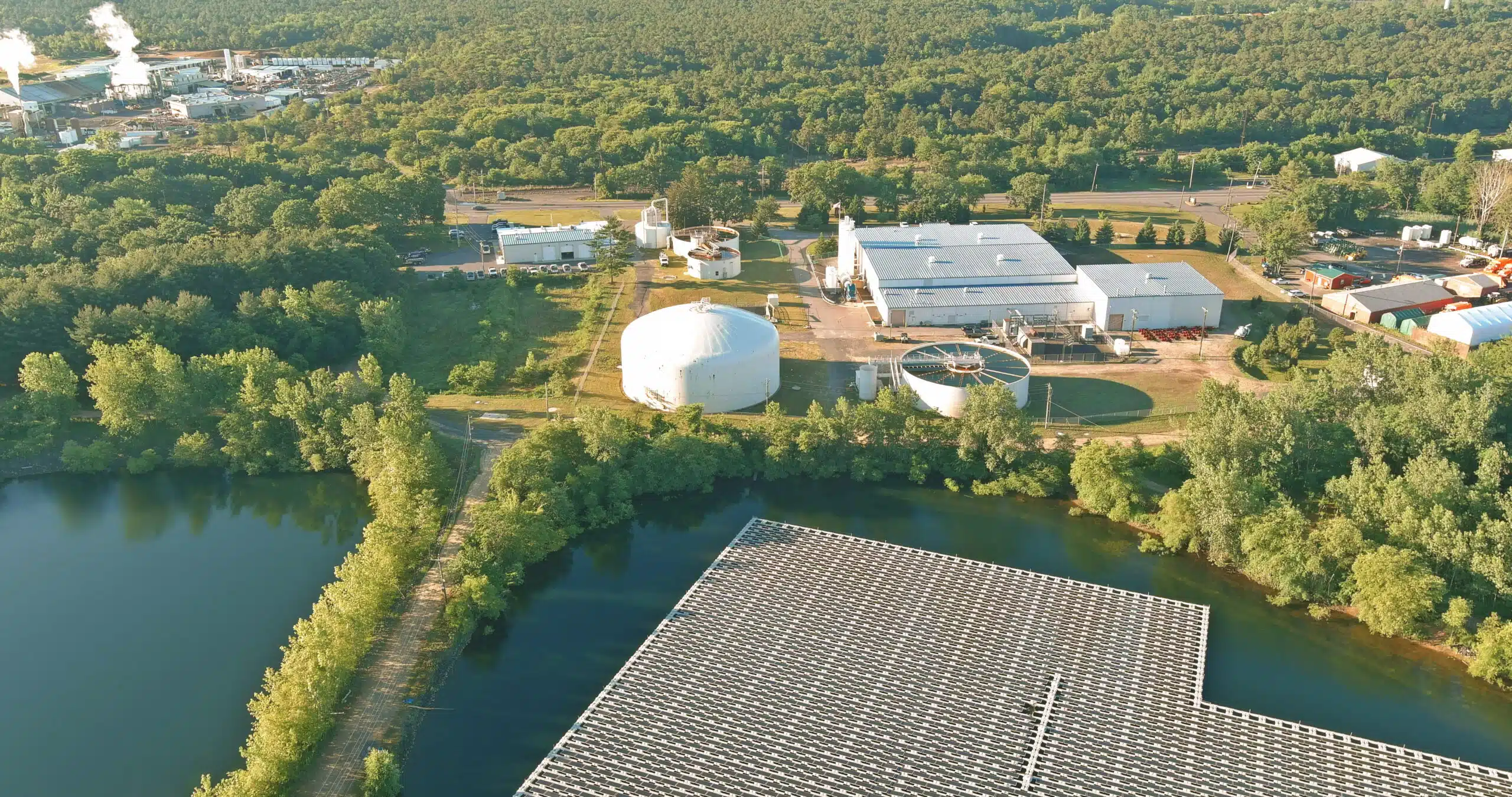
What is a combined heat and power plant?

A combined heat and power (CHP) plant is a compact energy system that generates both electricity and heat. This process is known as combined heat and power (CHP) and enables a particularly efficient use of energy.

Unlike conventional power plants, where a large portion of the energy is lost as waste heat, a combined heat and power (CHP) plant directly reuses this heat—for example, for heating or industrial processes. This allows for overall efficiencies of up to 90% to be achieved.

Combined heat and power (CHP) plants play a key role, particularly in biogas plants: they convert the biogas produced into usable energy, making the plant both economical and sustainable.

Challenge: Emissions from CHP plant operations

Despite their efficiency, the operation of CHP plants produces emissions. These include, among others:

  • Nitrogen oxides (NOₓ)

  • Carbon monoxide (CO)

  • volatile organic compounds (VOCs)

  • Formaldehyde and other unburned hydrocarbons

In the case of biogas in particular, fluctuating gas quality or incomplete combustion can lead to increased VOC emissions. These substances are not only environmentally significant but are also subject to strict legal limits.
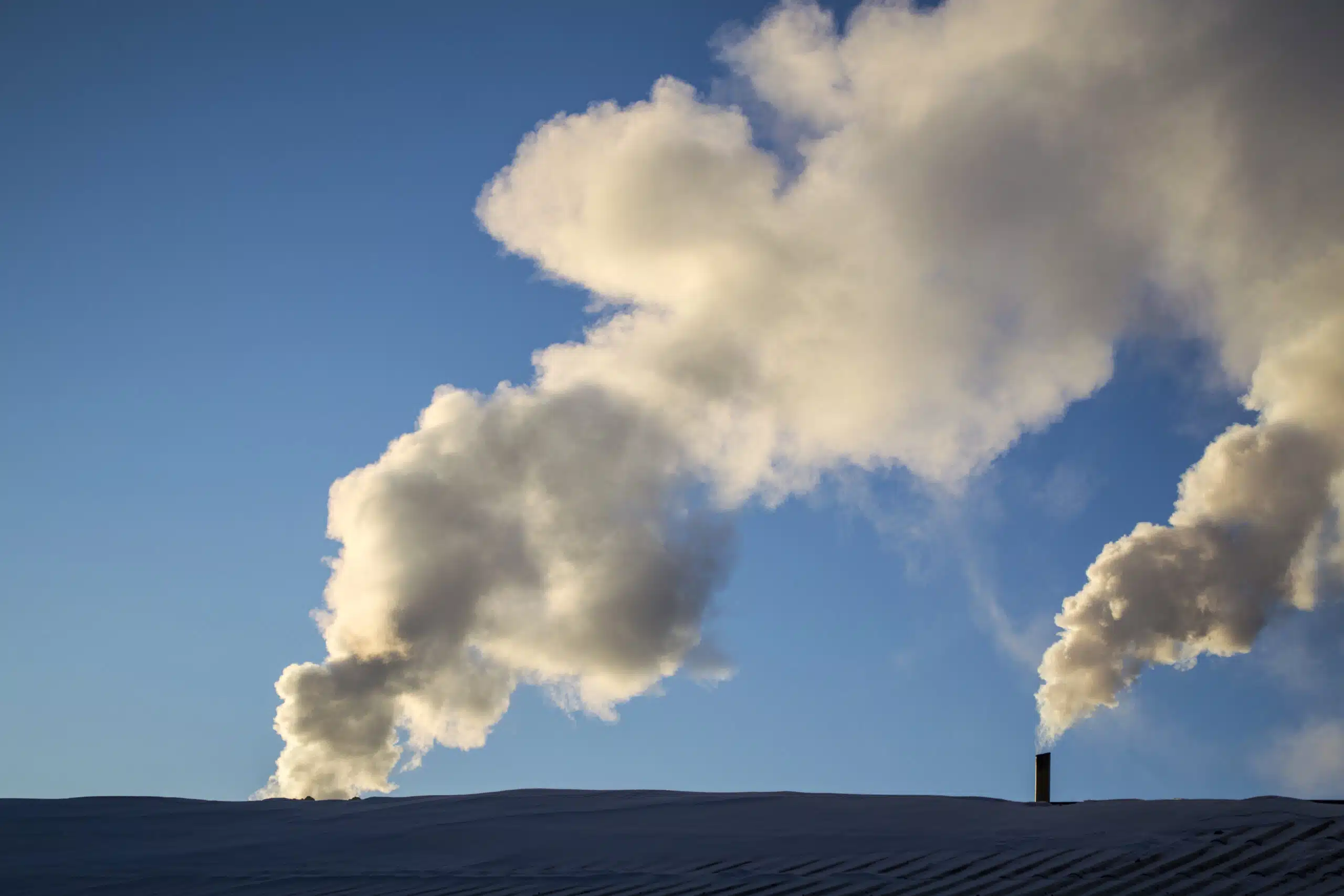
The Role of Catalysts in CHP Plants

Catalysts are installed in the exhaust gas stream of the CHP plant and ensure that pollutants are chemically converted:

VOCs → CO₂ + H₂O

CO → CO₂

(depending on the system, also NOₓ reduction)

Benefits of Catalytic Converters

Compliance with legal limits

Modern emissions regulations—particularly for biogas plants—require reliable emission reduction.

Improved environmental footprint

Reducing VOCs and other pollutants makes operations more sustainable.

Process stability

Catalysts help maintain consistent emission levels even when gas quality fluctuates.

Image & Acceptance

Clean facilities increase acceptance among government agencies, investors, and the public.

Interesting Facts

Frequently asked questions

Answers about technology, laws, and processes.

How do catalytic converters help to comply with legal limits?2026-03-27T13:53:59+01:00

Catalysts specifically reduce critical pollutants such as VOCs, CO and formaldehyde. This ensures that emission limits are reliably complied with – even under varying operating conditions.

Do catalytic converters need to be serviced or replaced regularly?2026-03-27T13:52:52+01:00

Yes, the performance of a catalytic converter can be impaired by ageing or impurities (e.g. sulphur, siloxanes). Regular monitoring and maintenance are therefore crucial for a permanently high separation efficiency.

What advantages do catalytic systems offer over purely thermal processes?2026-03-27T13:52:39+01:00

Catalytic systems enable the oxidation of pollutants at significantly lower temperatures. This reduces energy consumption, lowers operating costs, and allows for a more compact system design.

Where are catalytic converters integrated in the CHP unit?2026-03-27T13:50:40+01:00

Catalytic converters are usually installed in the exhaust tract downstream of the engine. Depending on the system, oxidation catalytic converters or combined solutions are used, which are specially adapted to the composition of biogas.

Why are VOC emissions particularly relevant for biogas CHPs?2026-03-27T13:49:44+01:00

Biogas is not a fuel with a constant composition. Fluctuations in methane content or impurities can lead to incomplete combustion – and thus to increased VOC emissions. These must be treated in a targeted manner in order to comply with limit values.

What emissions are produced by CHP units with biogas?2026-03-27T13:49:18+01:00

In addition to CO₂ and water vapor, nitrogen oxides (NOₓ), carbon monoxide (CO) and unburned hydrocarbons – in particular VOCs and formaldehyde – are also produced during operation. The level of emissions depends heavily on the gas quality and combustion efficiency.

About Pure Air GmbH

Expertise meets innovation.

We are a newly established company that draws on years of experience in exhaust gas treatment. Our focus is on customized catalytic solutions and engineering tailored precisely to your needs.

High
transparency

Environmental
awareness

Absolute
Customer Focus

Contact us

Request a free quote or get a no-obligation consultation.

Pure Air GmbH
Am Börstig 12
96052 Bamberg

+49 (0) 951 96433250
+49 (0) 170 9630471

Request a free quote

Go to Top